Some authors choose to rewrite and republish books as second editions because stories don’t always end when a book is first published.
For readers, a second edition can mean clearer themes, deeper characterisation, or a story that better reflects the author’s original intent.
If you’ve ever noticed a familiar book returning with a new cover or a ‘second edition’ label, you might have wondered why. Was something wrong with the first version, or is this simply how some stories continue to grow?
Why Do Writers Publish Second Editions And Why It Matters to Readers
Have you ever spotted a book on your shelf that looks familiar, only to realise it’s not quite the copy you first read? Maybe the cover is new, there’s a foreword you missed, or even passages that feel subtly, or dramatically, different.
That’s not a mistake: it’s a second edition, and many authors choose to release them for reasons that might surprise you.
Whether you’re a lifelong reader, a collector, or just someone who likes to understand why books evolve, this post will take you behind the scenes of a publishing decision many readers never think about.
What Is a Second Edition?
At its simplest, a second edition is a re-issue of a previously published book with changes.
Sometimes those are minor corrections, fresh introductions from the author, or reformatted text. Other times the changes are more significant with new scenes, updated endings, re-ordered chapters, or clarifications born of years of reflection.
For readers, second editions aren’t just about aesthetics, they offer a chance to experience a story in a refined form, sometimes closer to what the author originally intended.
Stephen King’s Revisit to The Gunslinger
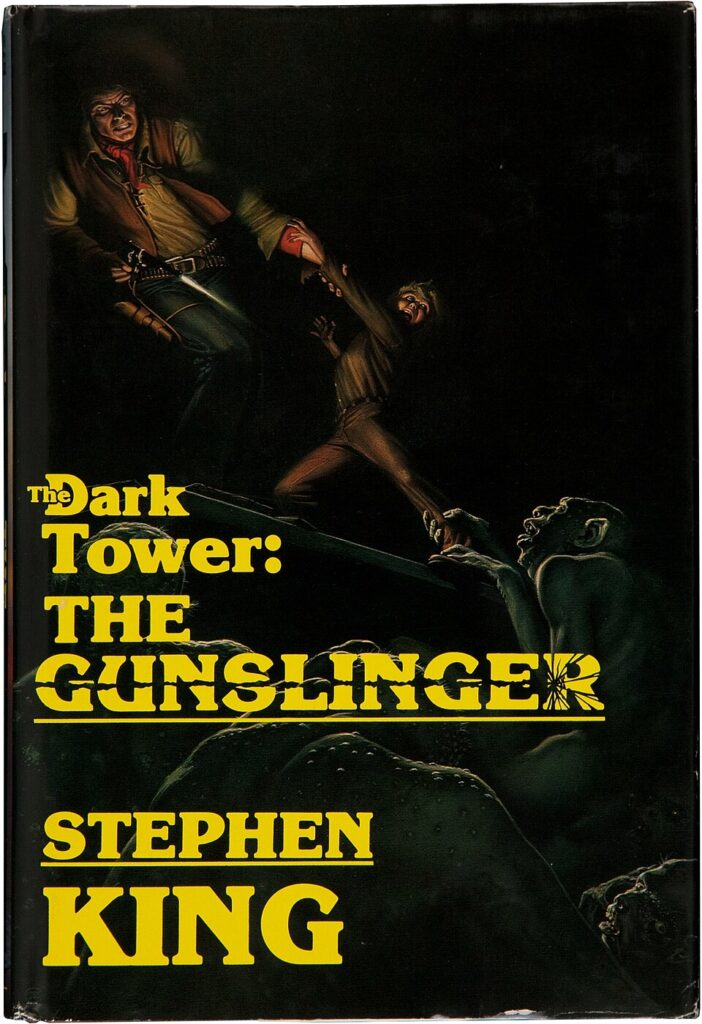
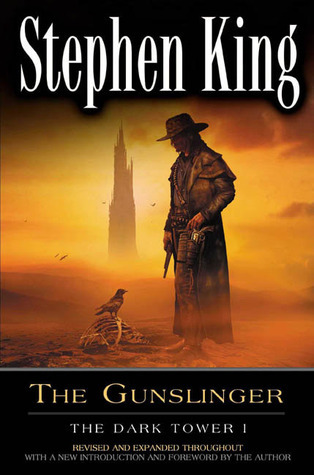
One well-known example is Stephen King, whose first Dark Tower novel, The Gunslinger, was revised and expanded in 2003. King added thousands of words and re-worked scenes to make the story easier for new readers to enter and more consistent with the later volumes in the series. In his own introduction to that edition, he explained that the changes helped align the tone and continuity across a sprawling saga that had grown and shifted over decades. Wikipedia
For long-time fans this version is often considered the definitive one — and for newer readers it’s a more accessible gateway into one of King’s most ambitious works.
Neil Gaiman’s Updated Editions and Companion Works
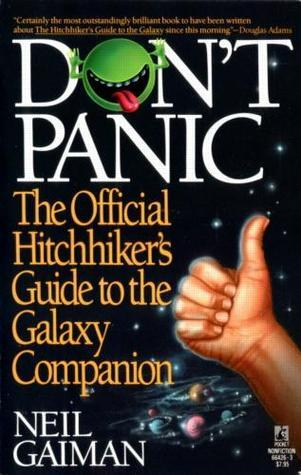
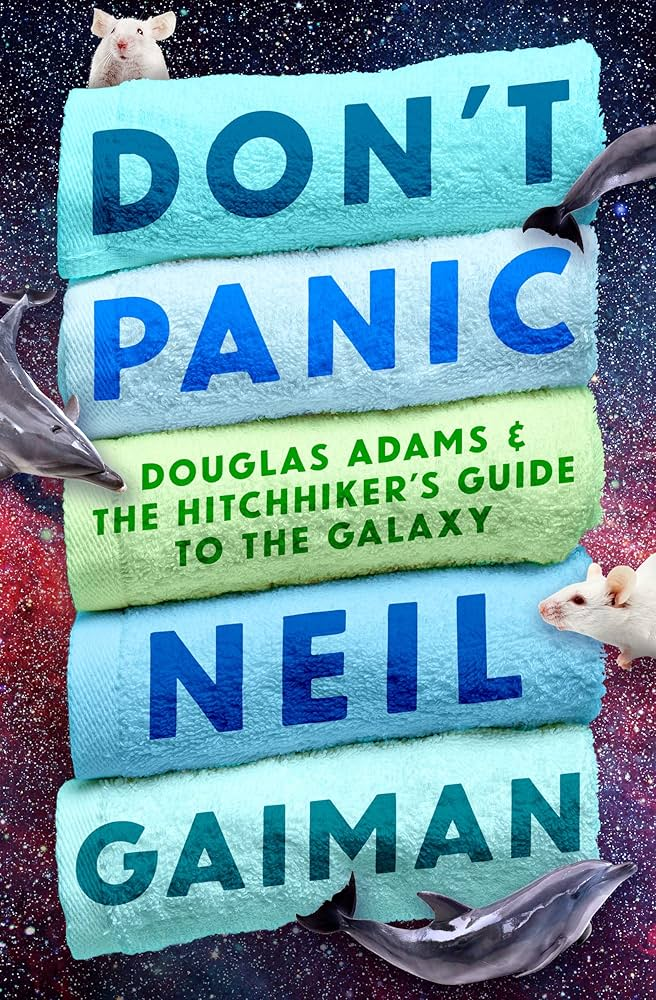
Neil Gaiman’s work shows another reason editions change: contextual expansion. His nonfiction/companion book Don’t Panic: The Official Hitchhiker’s Guide to the Galaxy Companion has been published in multiple updated editions with additional material added over the years.
While this isn’t a novel rewrite, it reflects a desire to keep related content relevant as an author’s audience and the wider cultural conversation evolves — a form of edition update that keeps the work alive for new generations.
Why Second Editions Matter for Great Books
Not every author revises their work. Many prefer to let the first edition stand as the ‘one true’ text of that moment in their career. But when writers do return to earlier work, there are a few common motivations:
- Clarity and refinement: Years after publication, and sometimes after learning from readers or editors, authors see ways to clarify themes, tighten pacing or resolve continuity issues.
- New creative insight: A story that once felt complete can later reveal possibilities the author didn’t see the first time around.
- Meeting reader needs: If a book becomes hard to find, out of print, or inconsistent with an author’s later work, a revised edition can make it accessible again.
- Anniversary celebration: Popular books often get special editions on significant anniversaries, sometimes with new introductions that reflect the author’s journey since first publishing.
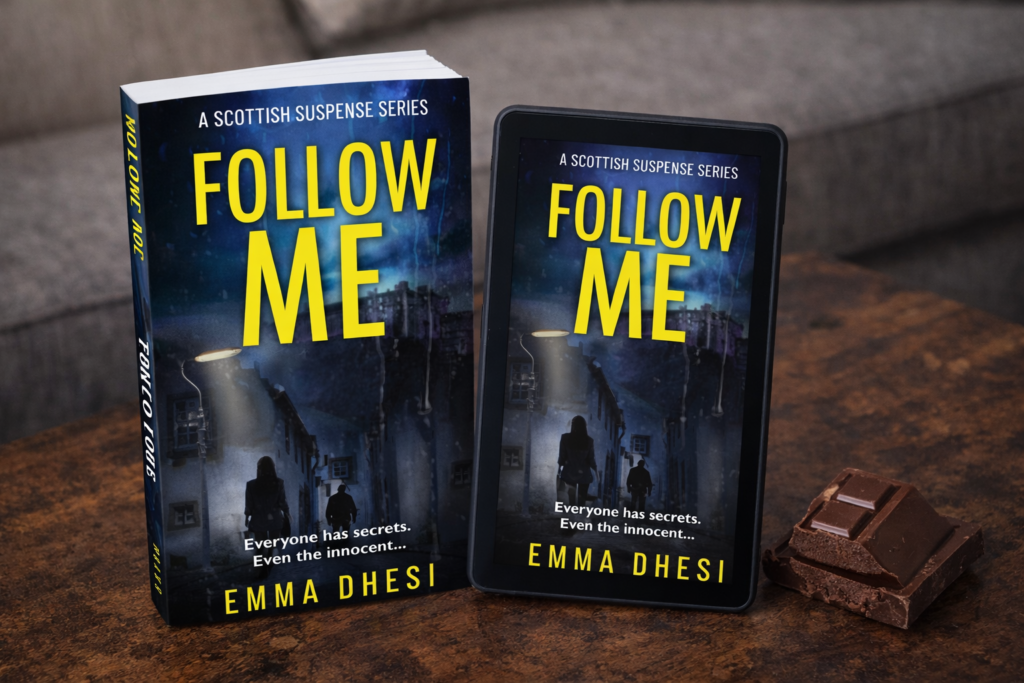
Why I Published a Second Edition of Follow Me
When I first published Follow Me, the story found its readers and I paid close attention to how it landed.
Over time, a consistent thread emerged in reader feedback. The atmosphere worked. The tension held. But some readers wanted a stronger ending, one that fully delivered on the emotional promise of the story. That feedback stayed with me.
Rather than seeing that as criticism, I saw it as an invitation.
The second edition of Follow Me is a refinement, not a reinvention. The core story remains the same, but I altered key plot beats and reshaped the ending to bring greater clarity, impact, and emotional resolution.
It’s the version of the book that reflects not only the story I wanted to tell, but the writer I’ve grown into since the first edition was published.
This edition is for two kinds of readers.
For those discovering the novel for the first time, it offers a more assured, complete reading experience.
For readers who’ve already read Follow Me, it’s a chance to compare and contrast — to see how subtle changes can shift meaning, tension, and ultimately, satisfaction.
On a personal level, publishing this second edition represents closure and confidence. It’s about reclaiming the story, trusting my instincts, and putting the reader first.
Stories don’t always reach their final form in one telling and sometimes the most honest thing a writer can do is return to the page and finish the job properly.
What This Means for You, the Reader
A second edition isn’t neccessarily ‘better’, it’s another way into a story. Some readers will always prefer the original; others will love the revisions. And some editions become collectible because they’re different.
If you love books, whether it’s discovering new ones or returning to old favourites, understanding why authors reissue work adds a new layer to your reading experience.